The History of Gold
Gold has fascinated people for thousands of years. You may know gold as jewellery, savings, or an investment today. However, its story began long before modern banks and financial markets existed. Ancient people valued gold because it was beautiful, rare, durable, and easy to shape.
Unlike many metals, gold does not easily rust or corrode. Its bright yellow appearance also made it attractive to early civilizations. Over time, gold became connected with wealth, power, religion, trade, and social status.
When Was Gold First Discovered?
People discovered natural gold thousands of years ago. Early humans probably found gold as small pieces in rivers and streams. Natural gold can appear as nuggets because it does not quickly react with water or air.
Archaeologists have found very old gold objects from ancient civilizations. Some evidence suggests gold was being used as early as the fifth millennium BC. Ancient communities shaped gold into ornaments, beads, and religious objects.
You can imagine how impressive gold looked to people without modern metals. Its bright colour made it different from ordinary stones and metals. Its softness also allowed skilled craftsmen to shape it using simple tools.
Gold gradually became more than a decorative material. It became a symbol of wealth, leadership, and spiritual importance.
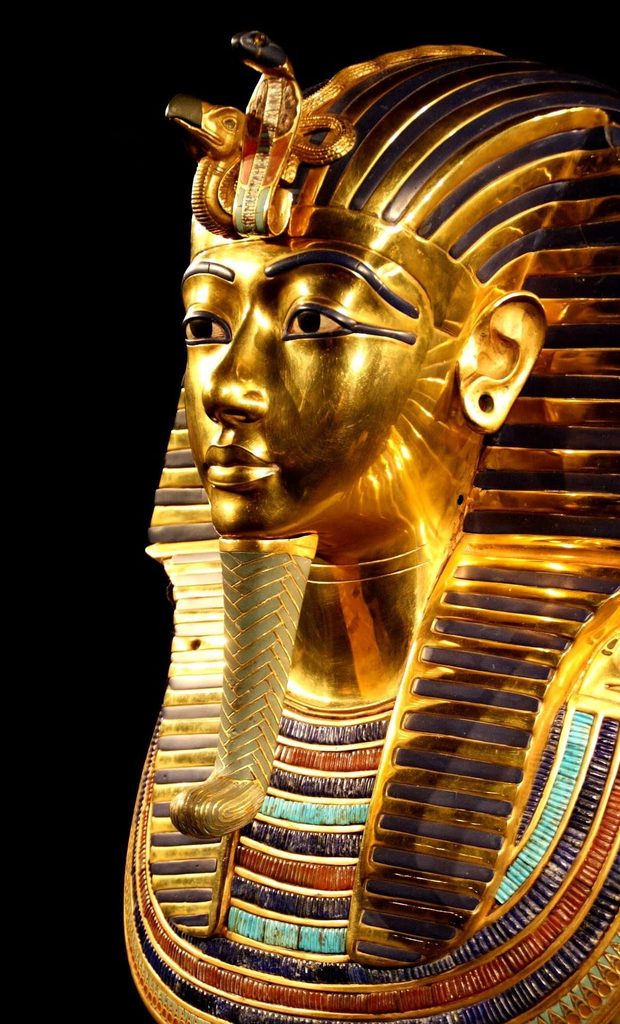
Gold in Ancient Egypt
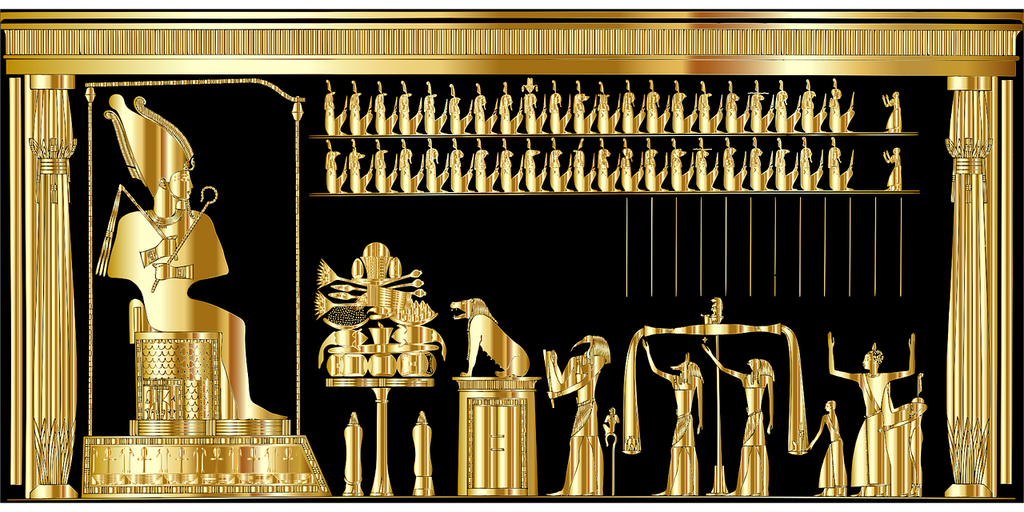
Ancient Egypt played an important role in the history of gold. Egyptians considered gold a special material connected with their gods and rulers. Gold was especially associated with the sun and divine power.
Egyptian rulers used gold for jewellery, religious objects, masks, and other valuable items. Pharaohs were often buried with gold possessions because people believed they needed wealth in the afterlife.
The famous burial treasures of Tutankhamun show how important gold was in ancient Egypt. His burial chamber contained remarkable gold objects, including the famous golden death mask.
Egypt also developed organized gold mining operations. Mines in the Eastern Desert and Nubia supplied significant quantities of gold. These resources helped strengthen the power and wealth of Egyptian rulers.
Gold in Ancient Civilizations
Gold became important across many ancient civilizations. Greeks, Romans, Persians, Indians, and other societies used gold for different purposes.
Ancient Greeks used gold for jewellery, religious objects, coins, and artistic decoration. Greek mythology also connected gold with gods, heroes, and legendary treasures.
The Roman Empire expanded gold mining and used gold coins throughout its economy. Coins helped governments collect taxes, pay soldiers, and support international trade.
In India, gold developed a particularly strong cultural and social importance. Gold jewellery became connected with celebrations, family wealth, weddings, and religious traditions.
You can still see many of these traditions today. Gold remains deeply connected with weddings, festivals, family savings, and cultural celebrations across South Asia.
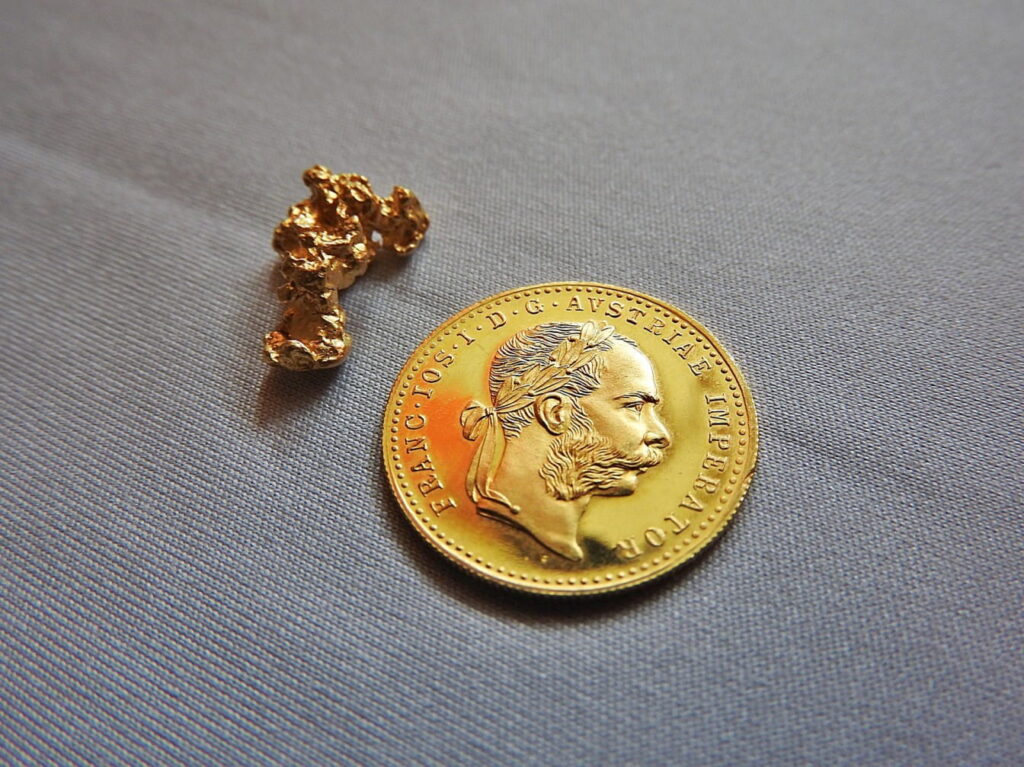
The History of Gold Coins
Gold eventually became an important form of money. Governments began producing standardized gold coins for trade and payments.
One famous early example is the Lydian coinage from ancient Lydia. Lydia was located in present-day Turkey. These coins helped establish the wider use of standardized precious-metal money.
Gold coins became increasingly popular because gold was scarce and difficult to produce artificially. Their value could also be recognized across different trading regions.
As international trade expanded, gold coins travelled between countries and civilizations. Merchants could use gold to exchange wealth across long distances.
This development helped transform gold from a decorative material into an important financial asset.
Gold and International Trade
Gold became increasingly important as global trade expanded. Merchants used precious metals to settle payments between different regions.
During the Middle Ages, gold was widely used across Europe, Asia, Africa, and the Middle East. Powerful kingdoms competed for access to gold-producing regions.
West Africa became particularly important because of its rich gold resources. The ancient Ghana Empire and later Mali Empire became closely associated with the gold trade.
Mansa Musa, the famous ruler of the Mali Empire, became legendary for his enormous wealth. His pilgrimage to Mecca in the fourteenth century demonstrated the economic importance of West African gold.
Gold therefore influenced not only individual wealth. It also affected political power, trade routes, and international relationships.
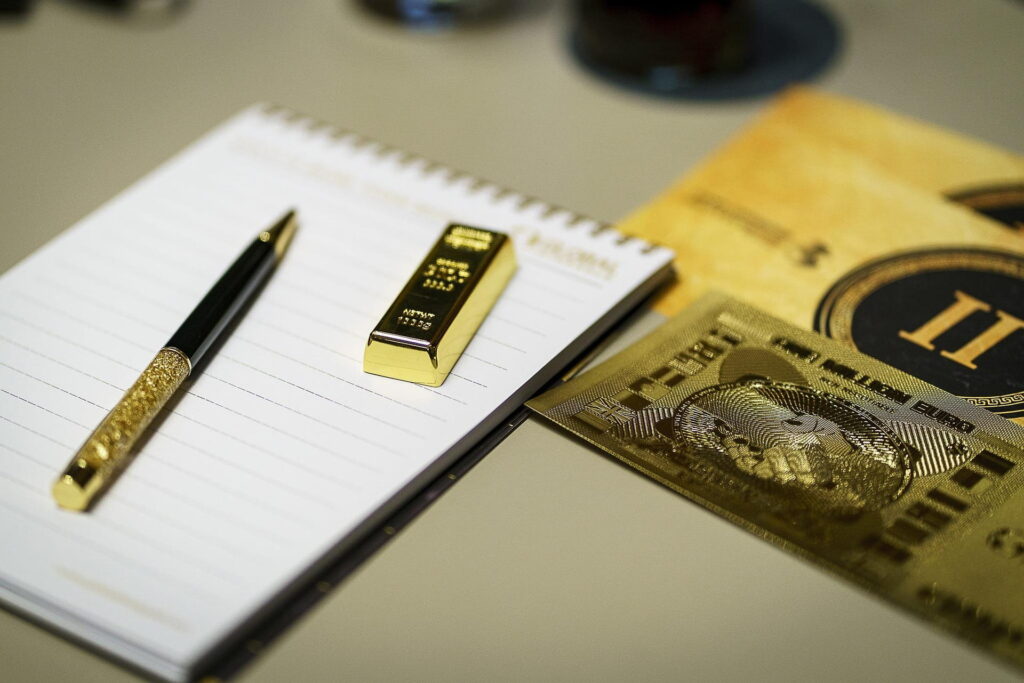
Gold During the Age of Exploration
European exploration created a major new chapter in gold history. European powers searched for valuable resources across Africa, Asia, and the Americas.
The discovery and exploitation of gold in the Americas dramatically changed global economies. Large quantities of precious metals entered European markets.
Gold became connected with exploration, colonization, international trade, and political competition. European powers wanted access to territories containing valuable natural resources.
This period also had serious consequences for indigenous communities. Gold extraction was often connected with forced labour, exploitation, and environmental damage.
Understanding gold history therefore means looking at both its beauty and its complicated economic legacy.
The Gold Standard
Gold became even more important to modern finance through the gold standard. Under this system, countries linked their currencies to a specific quantity of gold.
The gold standard became widely used during the nineteenth and early twentieth centuries. Governments held gold reserves and maintained relationships between currencies and gold.
This system helped create greater confidence in international payments. However, it also limited governments’ ability to expand the money supply during economic crises.
The gold standard gradually declined during the twentieth century. The United States eventually ended the convertibility of the US dollar into gold for foreign governments in 1971.
This event marked an important turning point in modern monetary history. Most countries now use fiat currencies rather than currencies directly backed by gold.
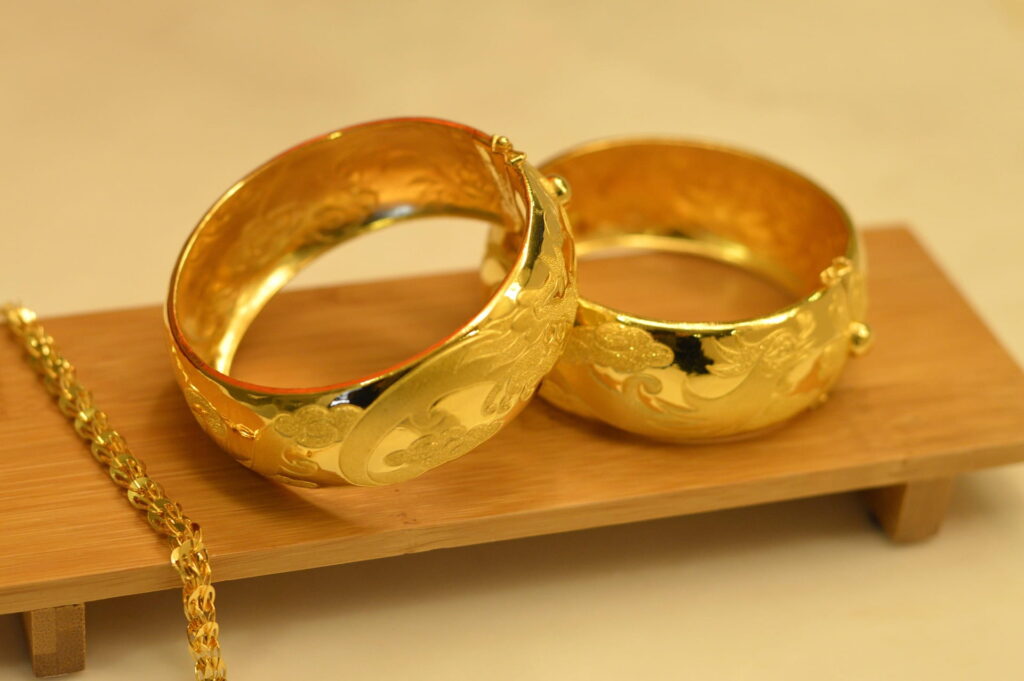
Gold in Modern Times
Today, gold remains one of the world’s best-known precious metals. You can find it in jewellery, investment products, technology, central-bank reserves, and industrial applications.
Gold is also viewed as a potential store of value. Investors often consider gold when they want to diversify their portfolios.
Central banks continue to hold significant gold reserves. During periods of economic uncertainty, investors may also increase their interest in gold.
Modern technology has created new uses for gold. Small amounts of gold are used in electronics because it conducts electricity and resists corrosion.
Gold is therefore no longer only a symbol of wealth. It has practical applications in technology, medicine, aerospace, and other industries.
The History of Gold in Sri Lanka
Gold has also held cultural and financial importance in Sri Lanka for generations. Sri Lankan communities have traditionally valued gold jewellery as both an ornament and a form of wealth.
Gold jewellery is especially important during weddings and major family celebrations. Many families consider gold jewellery a long-term asset that can be passed between generations.
Sri Lanka also has a long history of trade with India, the Middle East, Southeast Asia, and other regions. Precious metals formed part of wider commercial networks connecting the island with international markets.
Today, you may see gold being used for jewellery, savings, investment, gifts, and family traditions. Local gold prices are influenced by international gold prices, currency movements, taxes, and local market conditions.
This makes understanding the history of gold useful when you consider gold as an investment. The metal’s long history helps explain why people continue to place value on it.
Suggested Article: Gold Investment in Sri Lanka
Why Has Gold Remained Valuable?
Gold has remained valuable because it combines several unusual qualities. It is rare, durable, attractive, divisible, and relatively easy to store.
Gold does not disappear when economies change. Governments can change currencies, but gold remains a physical asset.
Its limited natural supply also supports its long-term appeal. Mining companies must spend significant resources to discover and extract new gold.
Gold also carries strong cultural value. People buy it for weddings, celebrations, investment, and personal savings.
You may therefore see gold differently depending on your needs. One person may see gold as jewellery, while another may see it as financial protection.
What Can the History of Gold Teach You?
The history of gold teaches you that its value comes from more than its appearance. Gold has survived political changes, wars, economic crises, and changing monetary systems.
Its role has changed over thousands of years. It began as a natural material used for decoration. Later, it became money, a symbol of power, and a strategic financial asset.
Today, gold continues to attract investors and consumers around the world. Understanding its history can help you better understand today’s gold market.
When you look at the price of gold today, you are seeing only one part of a much longer story. Gold has travelled through thousands of years of human civilization.
Frequently Asked Questions About the History of Gold
When was gold first discovered?
Gold was discovered and used by humans thousands of years ago. Archaeological evidence shows that ancient societies used gold as early as the fifth millennium BC.
Which ancient civilization used gold extensively?
Ancient Egypt was one of the most famous civilizations associated with gold. Egyptians used gold for jewellery, religious objects, royal treasures, and burial items.
Why was gold used as money?
Gold was used as money because it is rare, durable, divisible, portable, and difficult to reproduce. These qualities made it useful for storing and exchanging value.
When did gold coins become popular?
Gold coins became widely used in ancient civilizations after standardized coinage developed. Lydia is often associated with some of the earliest standardized coins.
What was the gold standard?
The gold standard was a monetary system that linked a country’s currency to a specific amount of gold. It was widely used during the nineteenth and early twentieth centuries.
When did the gold standard end?
The modern international gold standard effectively ended in 1971. The United States stopped allowing foreign governments to exchange US dollars for gold.
Why is gold still valuable today?
Gold remains valuable because it is rare, durable, attractive, and widely accepted. Investors also use it as a diversification and potential store-of-value asset.
Why is gold important in Sri Lanka?
Gold has cultural and financial importance in Sri Lanka. You may see it used for jewellery, weddings, family savings, gifts, and investment.
Is gold still a good investment?
Gold can be useful as part of a diversified investment strategy. However, its price can rise and fall, so you should consider your goals and risk tolerance.
What does the history of gold tell investors?
The history of gold shows that the metal has maintained importance across many economic systems. However, historical performance does not guarantee future investment returns.
Read More: The History of gold

Comments 1